About
Better care
Over 13,000 Australians live with NF. Beyond the challenges faced by the condition, families are forced to navigate a healthcare system that operates in silos, when Neurofibromatosis does not.
2026 theme: Care shouldn't be complex
Complex conditions need simplified care. We’re advocating to simplify the path to diagnosis, treatment, and multi-disciplinary care. Together, we can advocate for systems that are integrated, easier to access and centred around the people who need them most.
This Neurofibromatosis Awareness Month, we’re raising our voices for all Australians impacted by NF — including those living with Neurofibromatosis Type 1 and all forms of Schwannomatosis, including NF2.
You can stand up for better NF care by sharing a message in May, starting a fundraiser or making a donation.
#NFawarenessmonth #CareShouldn'tBeComplex
Many see over a dozen specialists
NF impacts multiple body systems, is highly variable, unpredictable and managed by frequent visits to multiple specialists. Despite being one of the most common and complex genetic conditions, up to 90% of kids and adults with NF cannot access coordinated, specialist care.
Out of reach, out of pocket
We're working to reduce the financial, emotional and cognitive load on families and lead to better health outcomes. NF needs a minimum standard of care, regardless of where someone lives.
"You realise the system, isn't a system at all. Its a maze of disconnected departments, shifting goal posts, and endless waiting lists. You'll keep fighting the same battles."
"Living with a rare disease isn't just a medical condition. It's the exhaustion of explaining yourself. Carrying strength you didn't choose. Resilience you didn't ask for."
"Life is a series of high-stakes decisions: monitoring tumours, weighing up surgical risks, navigating fragmented services, and living with ongoing uncertainty.”
Addressing inequitable care
No one should be left without answers, without support and without a way forward. The Children's Tumour Foundation is the only patient advocacy and support service working to improve the clinical management of NF and psychosocial well-being of children and adults with neurofibromatosis.
We support families through the isolation, overwhelm and exhaustion of living with a complicated condition and fight for greater recognition, support and systemic changes.
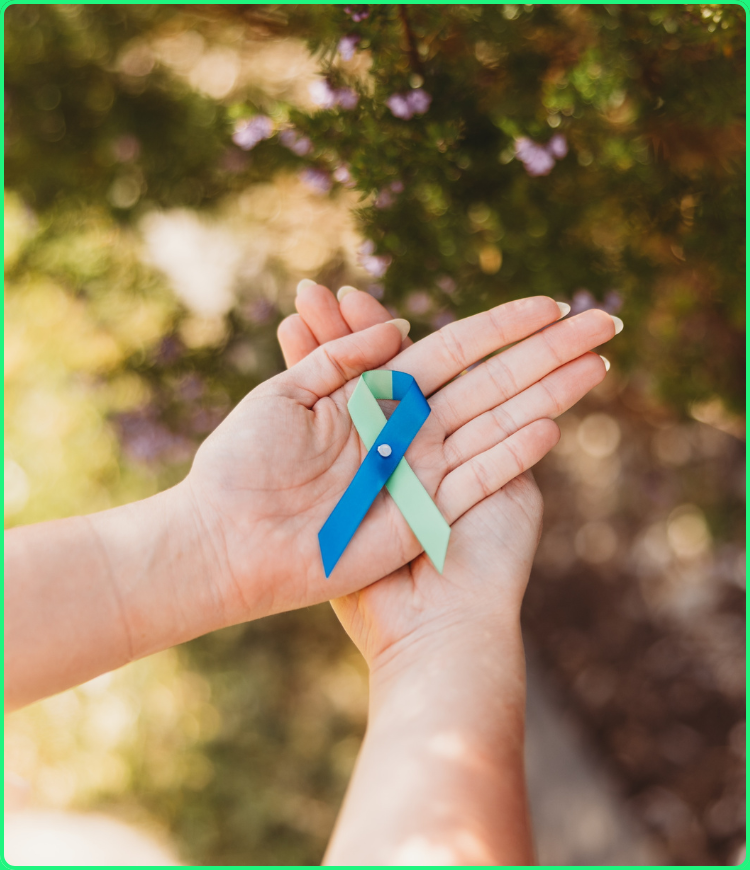
About Neurofibromatosis
Neurofibromatosis, or NF, is a group of complex genetic conditions that cause tumours to grow along your nerves, under the skin and deep in the body, including in the brain and spinal cord.
For some, symptoms are mild, for others the condition can be debilitating, and even life-threatening.
Progressive and unpredictable, NF tumours can lead to vision and hearing impairments, bone abnormalities, physical differences, learning difficulties, chronic pain and even cancer. It also has a profound impact on a person’s mental health and emotional wellbeing.
There are more than 13,000 people living with NF in Australia and around 4 million individuals world wide. Every 3 days a child is born with NF in Australia and in half of all cases, it will arise in families with no history of the condition. Anyone can be born with NF.
NF1 presents at birth or in early childhood. It is the most common type of NF, occurring in one out of every 2,500 births, and is characterized by café au lait spots, benign tumors under the skin, scoliosis, bone deformities, such as bowing of the legs and young children can develop eye tumors and may lose vision.
Types of schwannomatosis present around childhood, adolescence or early adulthood and is much rarer than NF1. People with NF2 or SWN often have benign tumors on the nerves in the inner ear, which can affect hearing and balance. They also can develop tumors along their nerves and spinal cord which can cause pain and weakness.
There are few treatments, and no known cure. NF is a complex condition, that touches so many different areas of the body. This means that there is no simple solution for treatment and care. Investments into research are critical for the long-term, but investments also need to be made to support coordinated care right now too.
If you believe NF deserves better care, consider making a donation this May. Funds raised during NF awareness month provide free services, including a national helpline, health resources, NF Clinics and camps, as well as advocacy efforts to increase access to care and treatments.